

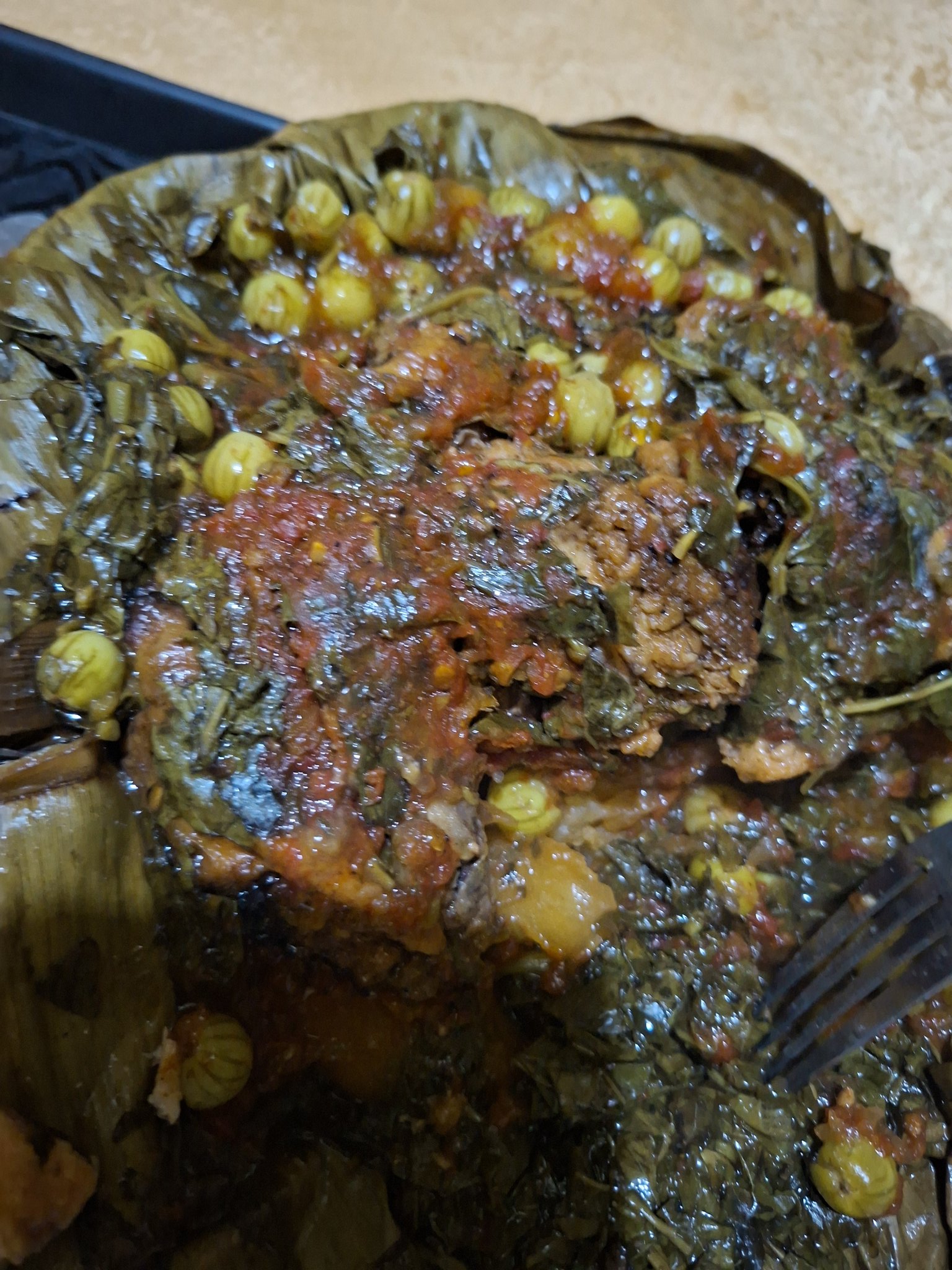
Kitchen tested tutorial for making traditional Ugandan matooke
This is the kitchen-tested tutorial for making traditional Ugandan matooke (steamed green bananas), the Buganda style staple often served with groundnut sauce, beef, beans, or ghee.
Matooke is like a staple food for most people in Uganda and it is enjoyed with groundnut paste, with beef,goats meat, chicken or anything. in Buganda, Ankole, Bakiga or anywhere in Uganda, Matooke can be served.
In case you always wanted to make it for yourself in Uganda or anywhere, you can get professional guidance of how to prepare matooke for yourself.
This is the kitchen-tested tutorial for making traditional Ugandan matooke (steamed green bananas), the Buganda style staple often served with groundnut sauce, beef, beans, or ghee.
What you will need
12–16 green matooke bananas (cooking bananas, not sweet/yellow)
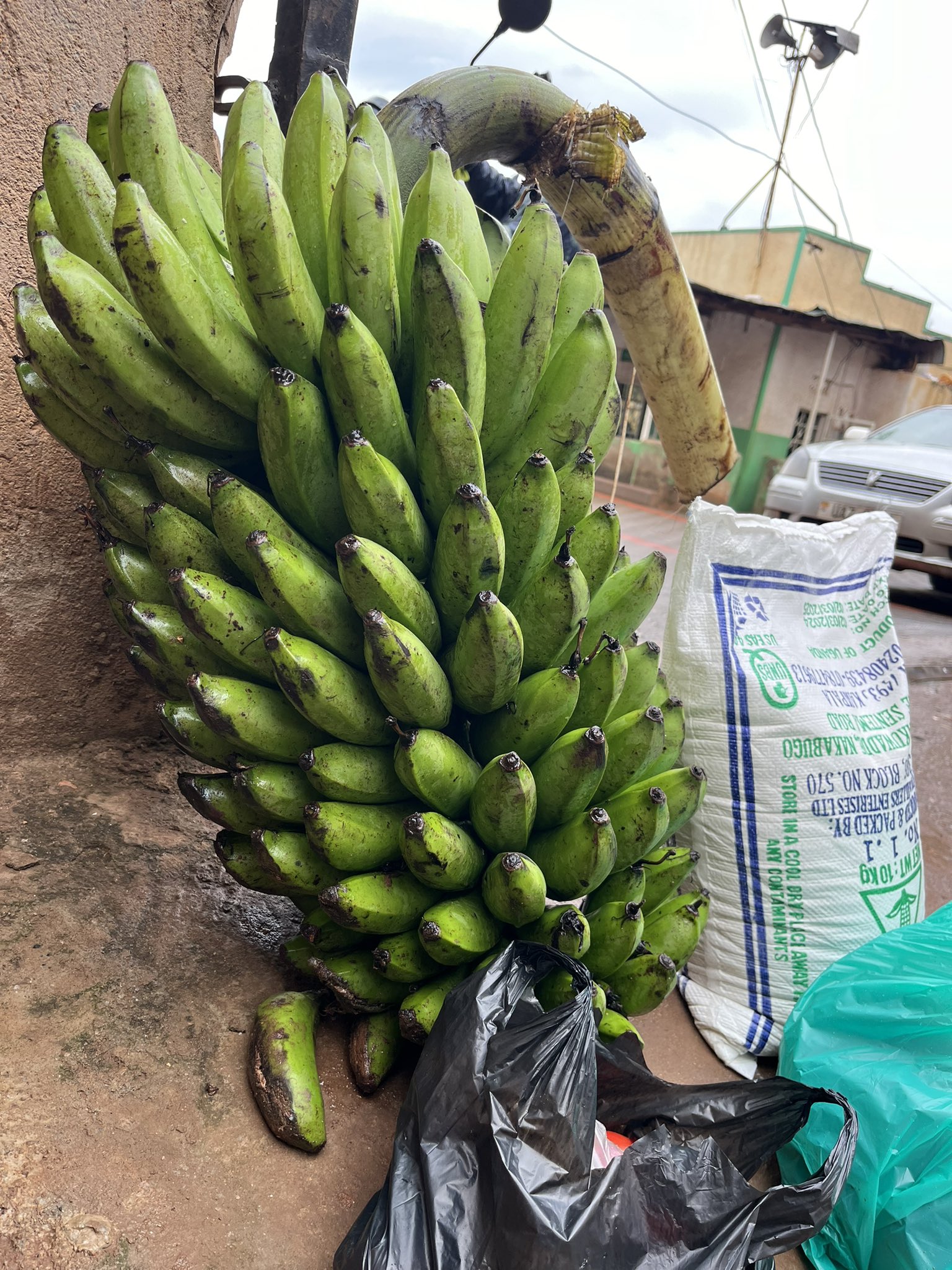
Banana leaves or banana leaf midribs/stems (optional but traditional)
Kitchen string or strips of banana fiber (optional)
1–2 cups water (for steaming)
Optional finishers: a pinch of salt, a few tablespoons of ghee (clarified butter), or a splash of fresh cream
Gear:
Steaming setup: a large pot with a tight lid, and a rack, banana stems, or upturned bowl to keep the matooke above the water
Knife, small bowl of water for dipping the knife and hands
Wooden spoon or pestle for mashing
Step-by-step instructions
1) Select and prep the bananas
Choose firm, unripe green matooke (no yellowing).
Rinse them to remove sap and dirt.
2) Peel the matooke cleanly
Lightly score the peel lengthwise; pry it off in sections.
Dip your knife and fingers in water frequently matooke sap is sticky and stains.
 Trim any fibrous bits. Keep the bananas whole and you will end up with matooke like this on banana leaves placed in a saucepan.
Tip: Traditional cooks save the peels and midribs for lining and covering the bundle during steaming, which adds aroma and protects the bananas.
3) Build your steamer
Option A: Traditional leaf bundle

Line the pot bottom with banana stems or a rack so the bundle sits above the water.
Add 1–2 cups of water (not touching the bundle once placed).
Lay softened banana leaves or peels to form a bed.
Place peeled bananas in the center, stack neatly.
Fold leaves over to make a tight parcel; tie with banana fiber or kitchen string.

Option B: Modern pot steamer
Fit a steaming rack or upturned heatproof bowl in a large pot.
Add 1–2 cups of water below the rack.
Arrange peeled bananas on a heatproof plate or directly on the rack.
Cover the pot tightly. If you have banana leaves, drape some over the bananas before covering for authentic aroma.
4) Steam gently until very tender
Bring water to a boil, then reduce to a steady simmer.
Steam 60–90 minutes. Check occasionally to ensure there’s still water; top up with hot water as needed (avoid wetting the matooke itself).
They’re ready when a fork slides in easily and
 the bananas look slightly yellowed and soft.
5) Drain and mash while hot
Remove the bundle or plate. If you used leaves, unwrap carefully to keep the steam in.
Transfer the hot bananas to a bowl lined with a warm banana leaf if available.
Mash thoroughly with a wooden spoon, pestle, or potato masher until smooth and cohesive. Traditional texture is a soft, unified mound with few lumps.

6) Finish for flavor and sheen
Work in a little ghee (1–3 tablespoons) for aroma and silkiness. Alternatively, add a splash of fresh cream or a pinch of salt.
Smooth the top and, for tradition, re-cover with a warm leaf to keep moist until serving.
Serving suggestions
Groundnut (peanut) sauce: Rich, savory, slightly nutty classic pairing.
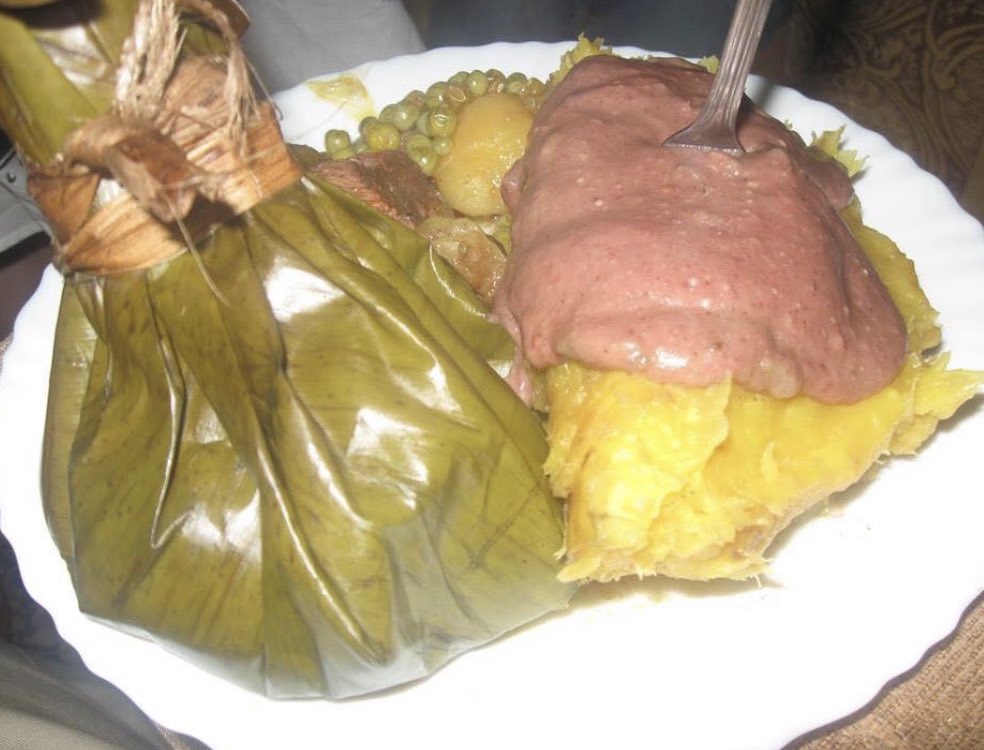
Beef, goat, or chicken stew: Ladle over generous slices of matooke.

Beans or cowpea leaves (ggobe) in coconut or peanut sauce for a vegetarian plate.
A simple drizzle of ghee with a side of vegetables when keeping it light.
Matooke is typically served hot, molded into a dome or cut into thick slices. It holds heat well, making it ideal for communal meals.
Tips, variations, and troubleshooting
Aroma boost: Even in a modern kitchen, laying a piece of banana leaf over the bananas under the lid adds the signature “smoky-green” scent.
Leaf prep: If leaves crack, briefly pass them over a low flame or pour hot water to soften before folding.
Avoid sogginess: Keep the bananas above the water; don’t boil them submerged.
Sticky sap stains: Rub cooking oil on your hands and knife before peeling; clean surfaces promptly.
Texture control: For firmer slices, steam a bit less and mash lightly. For ultra-smooth, steam fully and mash longer with ghee.
Make-ahead: Keep mashed matooke warm wrapped in leaves or in a covered, low-oven dish (around 90–100°C). Add a teaspoon of ghee or cream before serving to refresh.
Quick reference (modern kitchen)
Peel 12–16 green matooke; keep hands/knife wet or oiled.
Set up a steamer with 1–2 cups water below rack.
Steam covered 60–90 minutes until very tender.
Mash hot until smooth; add ghee/cream and a pinch of salt.
Serve with groundnut sauce, stew, or beans.
Enjoy your matooke, comforting, subtly sweet, and perfect with rich sauces like groundnut paste, stew, beans, peas or any sauce you can think of.
ByAdmin
Admin account author