

Anita Among and the Sovereignty Bill: How Political Convenience Turned Into Political Ammunition
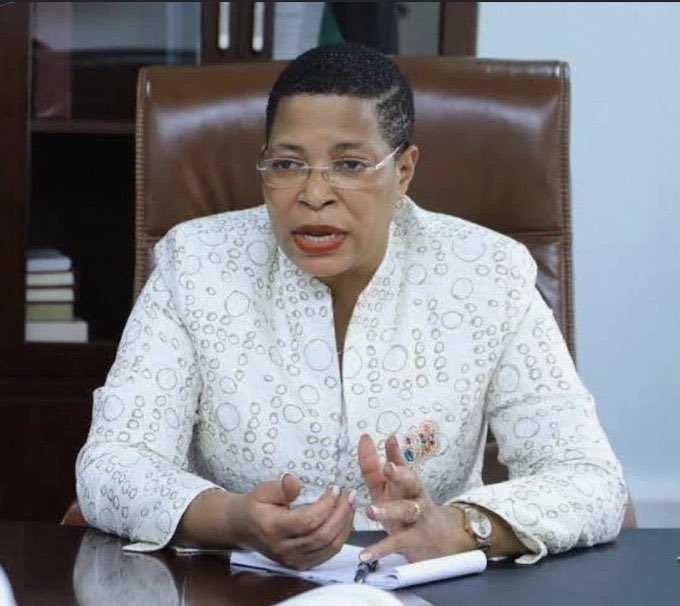
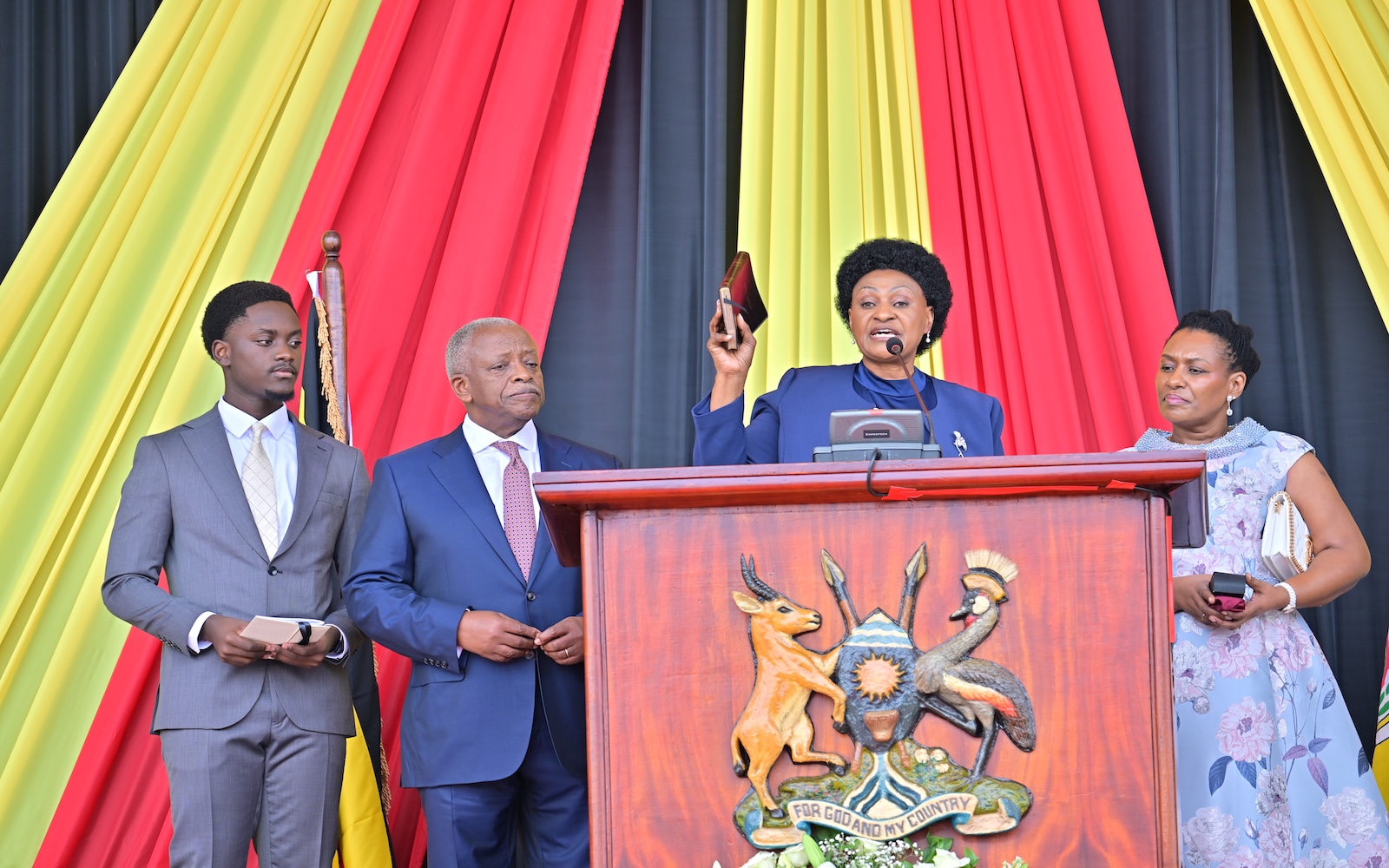
When the Sovereignty Bill was pushed through Parliament, many Ugandans immediately noticed one deliberate detail: Anita Among was the one chosen to preside over the House when it passed. And that choice was not accidental it was strategic.
Anita Among and the Sovereignty Bill: How Political Convenience Turned Into Political Ammunition
When the Sovereignty Bill was pushed through Parliament, many Ugandans immediately noticed one deliberate detail: Anita Among was the one chosen to preside over the House when it passed. And that choice was not accidental it was strategic.
For a regime that calculates every move, having Anita Among at the helm that day served two political purposes, both of them deeply cynical.
1. They Wanted the Stain on Her, Not the Next Speaker
The Sovereignty Bill was controversial from the moment it was drafted. Even regime insiders whispered that it could backfire internationally, politically, and legally. The ruling elites did not want the next Speaker, whoever that would be, to inherit the backlash.
So they made sure Anita Among, already entangled in the regime’s excesses and loyalist politics, carried the burden.
She had, as many have put it, “become their swine willingly” someone they could cover in mud without worrying about long‑term consequences. Let her be the face of the Bill, they reasoned. Let the public anger land on her shoulders.
It was a calculated sacrifice.
2. The Bill Can Be Turned Against Her Depending on How She Plays Her Cards
Ugandan politics is ruthless and transactional. Loyalty is temporary. Protection is conditional. Today’s ally is tomorrow’s scapegoat.
And Anita Among knows that.
The same Sovereignty Bill she proudly pushed through Parliament the same law she celebrated can easily become a weapon against her if she ever:
steps out of line,
falls out of favor,
becomes politically dispensable, or
threatens someone above her.
The regime has a history of drafting laws for one purpose and using them for another. The Sovereignty Bill gives them new leverage, new tools, and new latitude to label anyone as a threat to the nation including the very people who championed it.
Politics has no permanent friends, only permanent interests.
What Anita Among Said After Passing the Bill
After presiding over the vote, Anita Among stepped forward with confidence even triumph praising the Bill as a victory for Uganda’s autonomy and national pride. She framed it as a stand against foreign interference and a declaration that Uganda would handle its internal affairs without external pressure.
To her supporters, it sounded patriotic.
To critics, it sounded like the regime tightening its grip.
To the political class, it sounded like a convenient speech to justify a dangerous law.
But the irony is sharp:
The very Bill she championed in celebration could evolve into the legal noose used to corner her one day.
The Bigger Lesson: Everyone Is Vulnerable Under a System That Eats Its Own
This moment is not just about Anita Among. It exposes a larger truth about Uganda’s political machinery:
It uses people when convenient.
It sacrifices them when necessary.
It arms itself with laws that can be turned toward anyone.
The Sovereignty Bill was not passed to protect citizens it was passed to consolidate control. And when power is consolidated, even loyal insiders eventually feel the heat.
For now, Anita Among is a useful vessel.
Tomorrow, she could be the example they make.
In politics, especially authoritarian politics, the hunter and the hunted change places faster than anyone expects.
ByAdmin
Admin account author