

Speakers of Uganda Since Independence: Political Influence Controversial Legislation, and Tensions with the Presidency Anita Annet Among (2022–present)
Speakers of Uganda Since Independence: Political Influence Controversial Legislation, and Tensions with the Presidency of the republic of Uganda Yoweri Museveni
Speakers of Uganda Since Independence: Political Influence
Controversial Legislation, and Tensions with the Presidency
Anita Annet Among (2022–present)
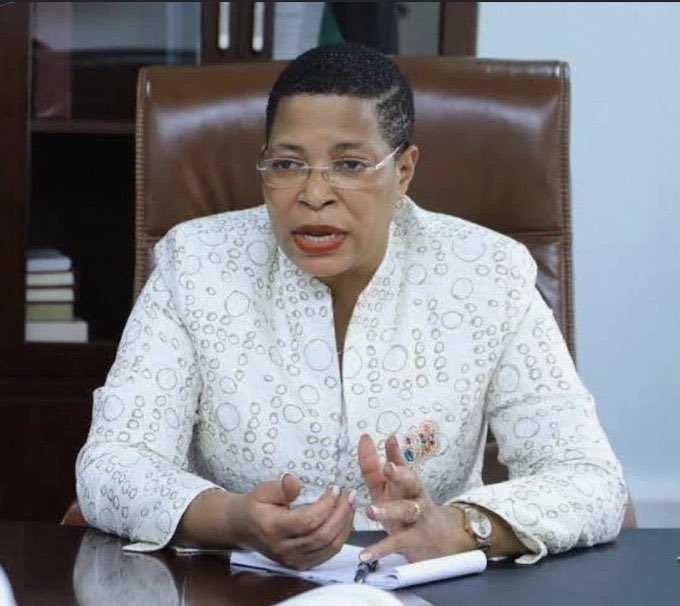
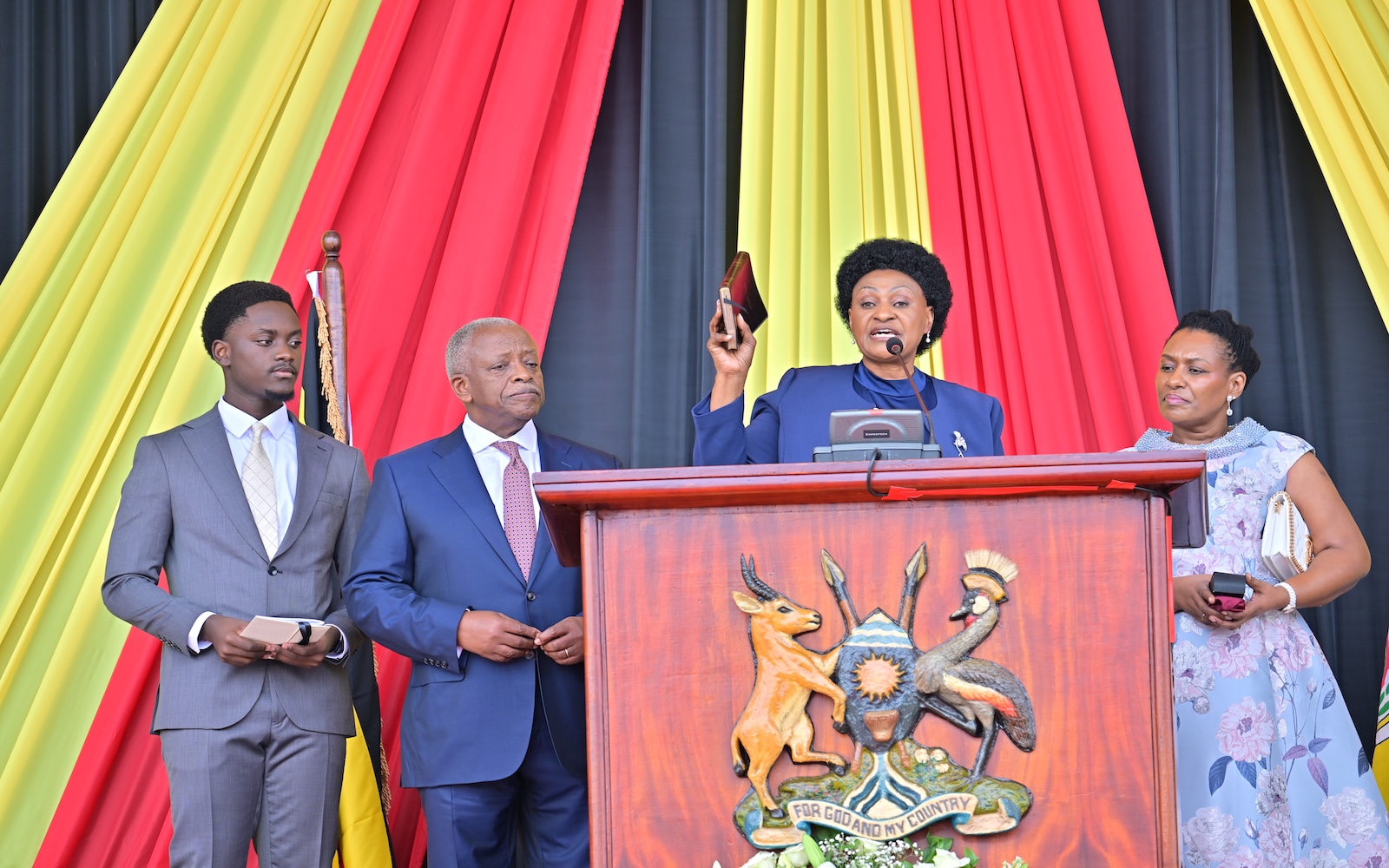
Anita Among’s tenure as Speaker has been marked by assertive parliamentary control, heightened controversies, and a noticeable recalibration of power between Parliament and the Executive. She presided over several contentious pieces of legislation, most prominently the Anti‑Homosexuality Act 2023, which drew intense international condemnation and placed Uganda under heavy diplomatic and economic pressure.
More recently, Parliament under her leadership championed the National Sovereignty Bill, a politically charged proposal framed as protecting Uganda from foreign interference but widely criticised for potentially expanding executive power and restricting the influence of international partners. The Bill intensified scrutiny of her leadership both domestically and abroad, and it contributed to friction with President Museveni, who publicly distanced himself from aspects of Parliament’s recent activism. Combined with allegations of procurement irregularities and widening internal NRM divisions, the Sovereignty Bill symbolised a period in which Among’s Parliament appeared unusually willing to assert its independence.
Jacob L’Okori Oulanyah (2021–2022)
Oulanyah’s tenure was short due to his death in 2022, but he presided over several contentious debates, particularly on national budgeting and security legislation. Although he maintained a cooperative relationship with President Museveni, his return to the speakership. Defeating Rebecca Kadaga with State House backing reflected internal NRM power struggles rather than fallout.
Rebecca Alitwala Kadaga (2011–2021)
Kadaga’s decade as Speaker was marked by major political turbulence. She presided over the Public Order Management Act (POMA) 2013, widely criticised for curbing political assembly. She also oversaw the deeply divisive Constitution (Amendment) Act 2017, which removed presidential age limits amid violent scenes in Parliament. Kadaga’s increasing independence especially her resistance to executive interference and her refusal to yield to NRM’s internal pressures led to a serious fallout with President Museveni, culminating in her being sidelined during the 2021 speakership race in favour of Oulanyah.
Edward Kiwanuka Ssekandi (2001–2011)
Ssekandi presided during a transformative but contentious period. He oversaw the 2005 constitutional amendments that removed presidential term limits arguably one of the most consequential and controversial legal changes in Uganda’s political history. Although he maintained a cooperative relationship with Museveni, critics noted that Parliament became more executive leaning under his leadership, shaping political dynamics for decades to come and since then, parliament has become more executive leaning.
Francis Zachary Ayume (1998–2001)
Ayumu’s period involved consolidation under the Movement system. Though not associated with major legislative conflict, his tenure helped entrench the no‑party political framework, aligning closely with Museveni’s political agenda.
James Wapakhabulo (1996–1998)
Wapakhabulo was the first elected speaker of Parliament and was widely respected for his neutrality and diplomacy. He presided over deliberations that shaped early Movement‑era constitutional implementation. His working relationship with Museveni was cordial, and he later joined Cabinet as a foreign minister indicating political alignment rather than fallout. Wapakhabulo was highly respected for his diplomatic leadership and constitutional expertise. He later served as Foreign Affairs Minister until his death in 2004.
Yoweri Kaguta Museveni (1989–1996)
As Chairman of the National Resistance Council (NRC), Museveni effectively headed both the executive and legislative functions. The NRC passed numerous foundational and controversial measures, including early security laws and political transition frameworks. There was naturally no fallout between Speaker and President since the roles overlapped in his person.
Moses Kigongo (1986–1989)
Kigongo presided over the early NRM legislative agenda, including emergency security regulations and restructuring policies following the civil war. His speakership was closely aligned with Museveni’s military‑political programme.
Francis Butagira (1980–1985)
Serving during the volatile Obote II government, Butagira oversaw legislation enacted in a politically charged environment, including security and public‑order laws that consolidated Obote’s authority. Tensions between Parliament and the executive were inherent, though not framed as personal fallouts.
Paul Muwanga (1979–1980)
Muwanga, as Chairman of the Military Commission, wielded broad power in the immediate post‑Amin era. He oversaw transitional decrees and electoral preparations, some of which were criticised as politically manipulative. His later political rivalry with Museveni emerged in subsequent years but not during his role as de facto Speaker.
Luwuliza Kirunda (1979)
Kirunda headed the National Consultative Council (NCC) during the fragile transition following Amin’s fall. The NCC approved several urgent reconstruction and security directives. There were no direct conflicts with Museveni at this stage of his political rise.
Nabeta Nathan (1971–1979)
Serving during Idi Amin’s military rule, Nabeta’s position was largely nominal as Parliament had limited autonomy. Legislation was mostly dictated by decree, with no meaningful executive–legislative tension recorded.
John Bowes Griffin (1963–1971)
Griffin presided over Uganda’s early parliamentary framework, including debates leading up to the 1966 constitutional crisis, which saw Milton Obote suspend the Constitution and centralise power. The crisis highlighted sharp tensions between Parliament and executive authority, though not connected to Museveni.
Narayan Virjee Patel (1962–1963)
Patel was the first Speaker of independent Uganda. His brief period set the foundations for parliamentary procedure but did not involve major controversies or executive confrontations.
Here is a clear comparative table summarising the Speakers of Uganda since independence and their key controversies. It is concise, structured, and ready for academic or policy use.
Comparative Table: Speakers of Uganda and Their Key Controversies
| Speaker | Years in Office | Key Controversies / Notable Issues |
| Anita Annet Among | 2022–present | Anti‑Homosexuality Act 2023; National Sovereignty Bill; procurement and governance scandals; growing tensions with President Museveni; accusations of shielding MPs; international backlash over human‑rights‑related legislation. |
| Jacob L’Okori Oulanyah | 2021–2022 | Oversaw contentious budget approvals; political controversy over his election after defeating Kadaga with strong State House involvement. |
| Rebecca Alitwala Kadaga | 2011–2021 | Public Order Management Act (2013); violent age‑limit amendment debate (2017); fallout with President Museveni over her assertive independence; accusations of populism. |
| Edward Kiwanuka Ssekandi | 2001–2011 | Oversaw removal of presidential term limits in 2005; criticised for enabling executive dominance; weak parliamentary independence. |
| Francis Zachary Ayumu | 1998–2001 | Perceived consolidation of the Movement system; limited parliamentary autonomy; viewed as aligned with executive interests. |
| James Wapakhabulo | 1996–1998 | Few controversies; respected statesman; some criticism for supporting early Movement‑era restrictions on multiparty politics. |
| Yoweri Kaguta Museveni | 1989–1996 | As NRC Chairman, combined executive and legislative powers; passed sweeping security laws; criticism for lack of separation of powers. |
| Moses Kigongo | 1986–1989 | Oversaw early NRM transitional decrees; Parliament lacked autonomy; consolidation of military‑political rule. |
| Francis Butagira | 1980–1985 | Operated under political violence and instability; security‑heavy legislation; Parliament overshadowed by executive pressure under Obote II. |
| Paul Muwanga | 1979–1980 | Military Commission rule; accusations of manipulating electoral processes; decrees overriding democratic practice. |
| Luwuliza Kirunda | 1979 | Transitional environment; limited oversight of military leaders; internal power struggles in post‑Amin governance. |
| Nabeta Nathan | 1971–1979 | Parliament largely symbolic under Idi Amin; legislative power suppressed; decrees replacing parliamentary authority. |
| John Bowes Griffin | 1963–1971 | Oversaw events preceding the 1966 constitutional crisis; Parliament sidelined as Obote suspended the Constitution. |
| Narayan Virjee Patel | 1962–1963 | Few controversies; administrative challenges of early post‑independence governance; largely procedural role. |
ByAdmin
Admin account author