


The Unfair Pay Divide in Uganda’s Classrooms: A Case Study on Science vs Arts Teachers
In Uganda’s education system, a policy-driven salary disparity has created a two-tier teaching workforce. Since the government’s 2018 to 2022 salary enhancements for science and STEM teachers, science educators in secondary schools have received dramatic pay increases often three to four times higher than their arts and humanities counterparts. This gap, while intended to promote national development priorities, raises a fundamental question of fairness: Do science teachers and art teachers not perform the same core job of nurturing and developing students?
Background of the Disparity,
In 2021 to 2022, the Ugandan government significantly raised salaries for science teachers (Biology, Chemistry, Physics, Mathematics, and Computer Science) to address shortages and align with its STEM-focused national development agenda. Science teachers saw their pay jump to around UGX 4 million per month in some cases, while arts teachers (History, English, Geography, Fine Art, etc.) remained on much lower scales, often between UGX 700,000 and UGX 1.3 million.
By 2022, studies showed science teachers had reached 77% of their approved pay targets, while arts teachers lagged at just 12%. This led to widespread frustration, low morale among arts teachers, and even strikes involving over 10,000 humanities teachers in 2025.
The Core Argument: All Teachers Nurture Students.
Despite the subject differences, teachers across disciplines share the same fundamental responsibilities:
Planning and delivering lessons
Assessing and supporting student learning
Mentoring young people
Managing classrooms and emotional needs
Contributing to the holistic development of students
An art teacher helping students express themselves, build creativity, and develop critical observation skills is performing equally vital nurturing work as a science teacher guiding experiments and logical reasoning. Both shape minds, build confidence, and prepare young Ugandans for the future. Yet the system financially values one form of nurturing far more than the other.
The Real-World Consequences in Uganda
This pay gap has produced several negative outcomes:
Demotivation and Low Morale: Research from Makerere University shows arts teachers report significantly lower motivation (around 25%), poorer perceived performance, and weaker retention compared to science teachers.
School-Level Inequity: Head teachers with arts backgrounds often earn less than science classroom teachers they supervise, creating leadership and supervisory challenges.
Impact on Students: When arts teachers feel undervalued, the quality of creative subjects suffers. This harms students’ well rounded development, especially as creativity, emotional intelligence, and innovative thinking become increasingly important even in a technology-driven economy.
Teacher Shortages in Arts: Talented arts educators are leaving the profession or avoiding teaching altogether, limiting subject options for learners.
Why the Justification Falls Short
The government’s rationale centers on science teacher scarcity and the need to drive industrialization and technological advancement. However, treating teaching as purely an economic production line ignores its deeper purpose. Education is not just about producing engineers — it is about developing complete human beings with both analytical and creative capacities.
In today’s world, including Uganda’s, skills like creativity, communication, cultural awareness, and design thinking (often nurtured through arts) are essential complements to STEM. An overemphasis on one at the expense of the other creates imbalance.
A Call for Fairness and Equity.
All professional teachers with similar qualifications, experience, and workload should receive equal base compensation. Subject-specific shortages can be addressed through targeted incentives, improved working conditions, or special allowances not by creating a permanent class system among teachers.
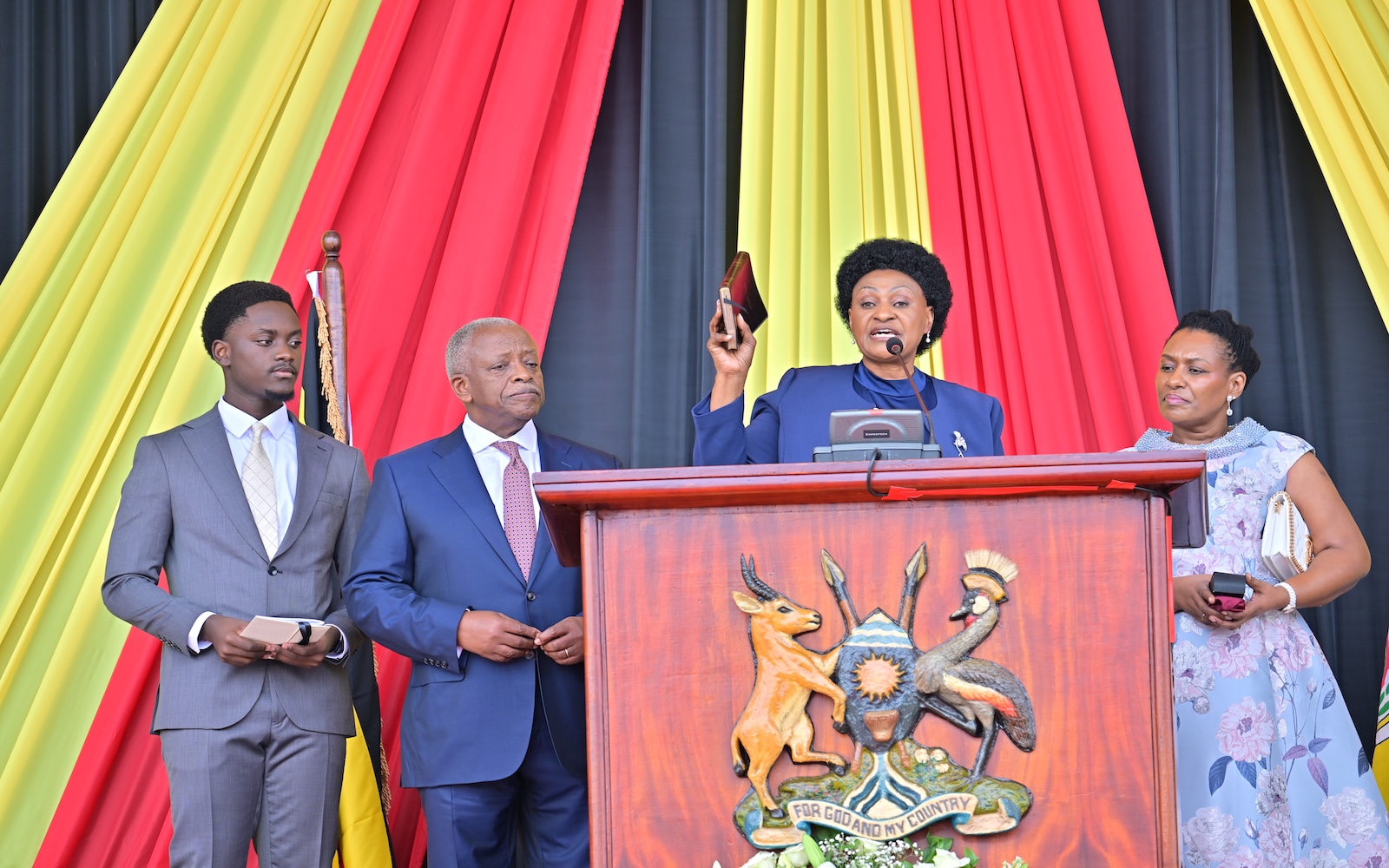
Vice President Jesca Alupo and the government have signaled plans for phased enhancements for arts teachers. While welcome, true fairness requires moving toward salary parity so that every teacher feels equally valued for the shared mission of nurturing Uganda’s youth.
Conclusion
In Uganda’s schools, science and arts teachers stand before the same students, face similar challenges, and carry the same responsibility: shaping the nation’s future one child at a time. Paying one group substantially more than the other for doing this equally important work is not only unfair to the teachers it is unfair to the students and to the balanced, holistic education Uganda needs.
Recognizing the equal dignity and value of all teachers is not just a matter of justice. It is essential for building an education system that truly serves every learner. Uganda’s children deserve excellent teachers in every subject and those teachers deserve equal respect and fair pay.
For a chance of science and innovation to thrive like how president Yoweri Kaguta Museveni wants, we need all round scientists and these can only be achieved from both science and art teachers and we need all of them at their best for our children and for the future of this country.
ByAdmin
Admin account author