




U.S. and Israel Preparing for Possible Strikes on Iran as Early as Next Week
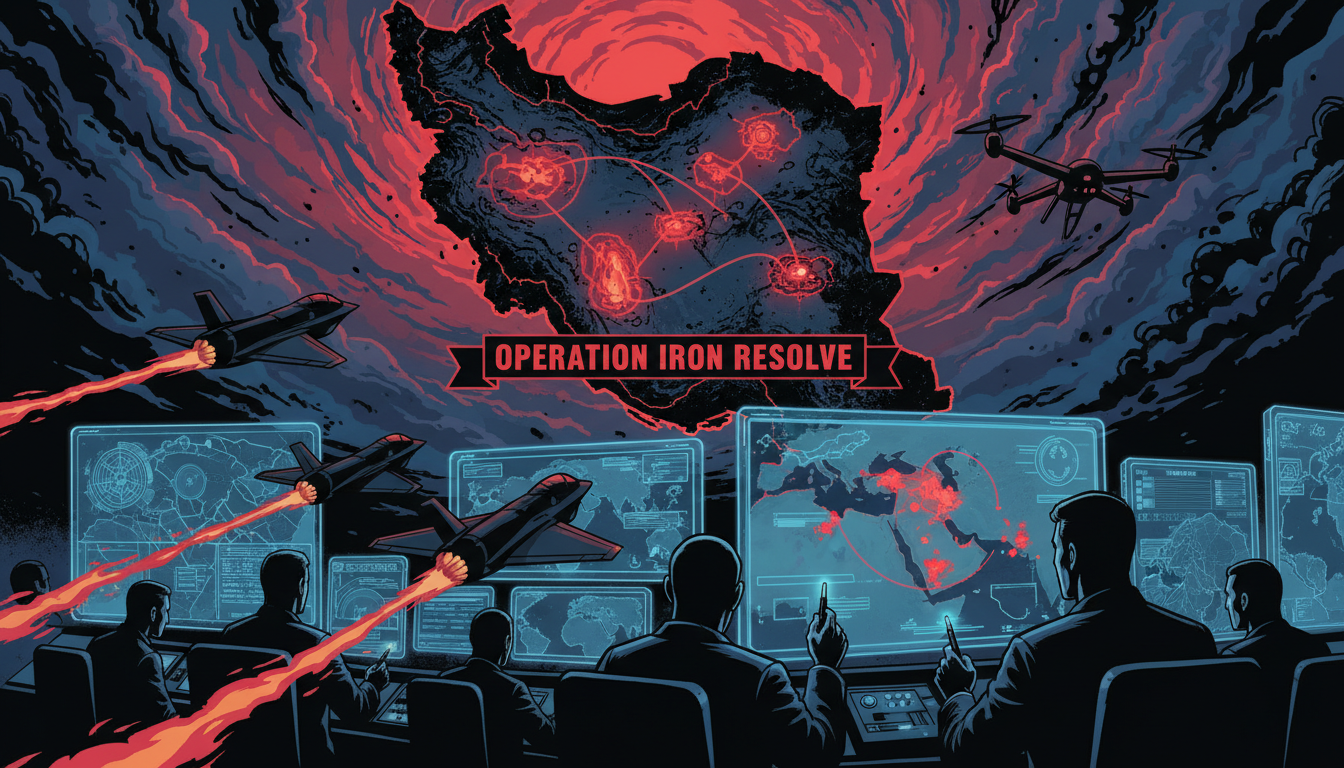
A rapidly escalating situation in the Middle East has entered a new phase as the United States and Israel are now engaged in active, high‑intensity preparations for potential attacks on Iran, with the possibility of military action as early as next week, according to new reporting from CNN.
U.S. and Israel Preparing for Possible Strikes on Iran as Early as Next Week
A rapidly escalating situation in the Middle East has entered a new phase as the United States and Israel are now engaged in active, high‑intensity preparations for potential attacks on Iran, with the possibility of military action as early as next week, according to new reporting from CNN.
The development marks one of the most serious moments in the regional conflict since hostilities deepened earlier this year.
Intelligence and Military Coordination Intensify
According to CNN’s reporting, U.S. and Israeli officials have:
increased joint operational planning
elevated readiness levels across regional bases
coordinated intelligence-sharing at an accelerated pace
prepared rapid‑deployment assets for potential strikes
While neither government has publicly confirmed an imminent assault, the scale and speed of preparations indicate that both nations are positioning themselves for decisive action should political leadership give the order.
The reported planning includes both airstrike packages and broader contingency options, suggesting the operation could range from targeted strikes to more sustained military engagement.
Why Now?
The timing reflects a combination of factors:
Recent escalations involving Iranian‑aligned groups across the region
Ongoing missile activity attributed to Iran’s Revolutionary Guard
Pressure from Israel’s security establishment, which has pushed for a more aggressive response
U.S. concerns about Iranian weapons development, including missile and drone capabilities
Officials cited by CNN stressed that the objective is to limit Iran’s capacity to carry out regional attacks, though analysts warn that any strike risks triggering a wider confrontation.
Iranian Response Signals Expectation of Conflict
Iran has already placed key military units on higher alert, moved air‑defense assets into strategic positions, and issued warnings that any attack will be met with “significant retaliation.” Tehran continues to frame U.S Israeli coordination as evidence of what it calls a “joint war effort.”
Iranian state media has amplified statements from senior commanders promising that any strike would bring “regional consequences.”
Allies React With Caution
Reactions among U.S. allies have been mixed and cautious:
European governments have urged restraint, warning that a U.S.–Iran clash could destabilize global energy markets and trigger mass displacement.
Gulf states are reportedly preparing for potential spillover effects — especially missile or drone retaliation from Iranian‑aligned militias.
NATO officials have avoided direct comment but are closely monitoring U.S. military movements.
Diplomatic channels with Tehran appear strained, with little indication of meaningful de‑escalation.
A Region on Edge
Should strikes occur next week, the consequences could be profound:
A direct U.S Iran confrontation long feared would become reality.
Iranian‑aligned militias across Iraq, Syria, Yemen, and Lebanon may retaliate.
Global markets, especially oil, could face immediate shock.
Israel could find itself in a multi‑front escalation, depending on Iran’s response.
For now, all eyes remain on Washington, Jerusalem, and Tehran.
CNN suggests that the window for diplomacy is rapidly narrowing and the world may be approaching a decisive turning point in the conflict.
ByAdmin
Admin account author